Sundowning in Dementia
What sundowning is, why it happens in the late afternoon, what genuinely helps at home, and when evening confusion needs a GP rather than reassurance.

What sundowning is, why it happens in the late afternoon, what genuinely helps at home, and when evening confusion needs a GP rather than reassurance.
What sundowning is, why it happens in the late afternoon, what genuinely helps at home, and when evening confusion needs a GP rather than reassurance.

Refusal of care is rarely stubbornness. The emotional, cognitive and family reasons behind it, what the Mental Capacity Act says, and how to keep the door open.

Deciding where a parent with dementia should be cared for. What live-in care offers, when it may not suit, how carers are trained, and the questions to ask first.

What live-in care actually looks like hour by hour, from getting up to overnight. Morning routines, medication, meals, hobbies, appointments and the daily care log.

A practical guide to the care conversation with an ageing parent. How to spot the signs, plan the talk, handle resistance, and present the options without pressure.

Coming home from hospital is a relief and a worry at once. What help is available at home after a hospital stay, who pays for it, and how to avoid a readmission.

Early, middle and late stage dementia explained, what changes at each one, how care needs grow, and why a familiar carer and a familiar home matter.

The early signs of family carer burnout, why a break is part of good care, how live-in respite works at home, and the funding routes available.

How to get an elderly parent ready for winter at home: heating, falls, food and prescriptions, plus the loneliness that comes with the darker months.

NHS Continuing Healthcare is fully funded NHS care with no means test. What it is, who qualifies, how to ask for an assessment, and what to do if you are refused.

How to arrange and oversee live-in care in the UK from abroad, covering daily electronic reports, a named care manager, carer cover, funding and the means test.

Room-by-room home safety changes for older relatives, with typical costs, when to involve an occupational therapist, and the grants that can pay for adaptations.

How live-in care and residential care homes compare on comfort, personalisation, family involvement and cost, and what each one means for the value of your home.

The questions to ask a live-in care provider before you commit, covering CQC registration, carer vetting and matching, communication, safety, complaints and cost.

What a live-in care plan covers, from personal care and medication to life history and risk, plus a full worked example for a client with early-stage dementia.

Live-in care from £945 a week against care home averages of £1,400 and £1,650. What changes the price, how the means test treats your home, and Direct Payments.

Respite care can run from a single week to several, and live-in respite has no maximum stay. What sets the length, what it costs, and how the funding works.

What a live-in carer actually needs from your home: a private bedroom, shared bathroom access, room to move, and Wi-Fi. Most homes qualify without adaptations.

What a live-in carer does in the first few days, how routines and independence are protected, and what families usually find when they visit at the end of week one.
The four main types of dementia, plus mixed and rarer forms. What each one looks like early, how it progresses, and what it changes about caring for someone at home.

Three families on what it cost them to delay the care conversation. Why starting it early protects your relative’s wishes, and why it does not mean starting care today.
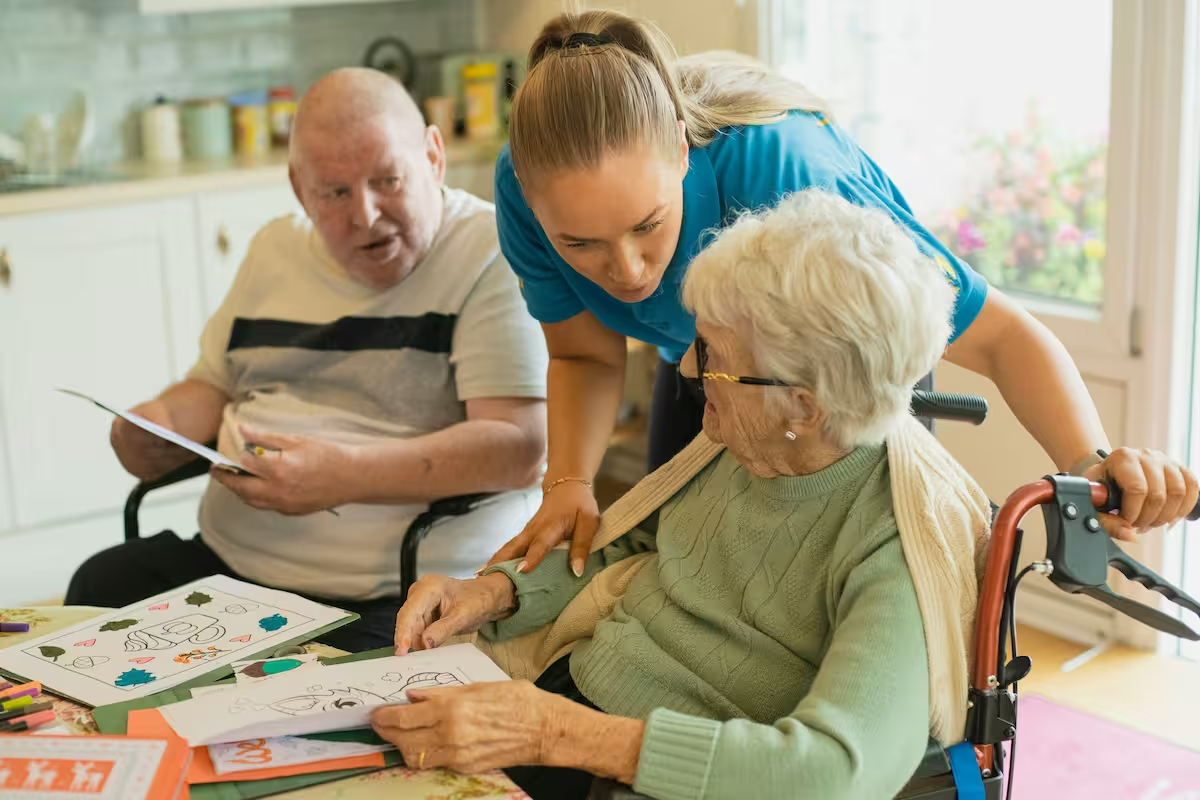
How visiting care and live-in care differ on hours, continuity and cost, plus the means-test and Direct Payment rights councils rarely explain.

Why live-in dementia care keeps routine, familiarity and independence in place, what daily life looks like, and how the funding actually works.

What dementia care at home involves, how the main types differ, how needs change over time, and how to choose a provider you can trust.

What the CQC rating means in practice, and why a fully regulated live-in care agency is a different commitment from an introductory agency.

How to spot heat exhaustion and heatstroke in an older person, keep the home cool, manage hydration and adapt daily routines during a heatwave.

The ten signs that an elderly relative needs more support at home, how to raise it gently, and what your care and funding options are.
No cost and no obligation. We will listen, ask what the day currently looks like, and give you an honest answer, including if we think live-in care is not the right fit for your family. CQC registered and rated Good.